
Laramie Mosquito Control Team Gearing Up For Summer
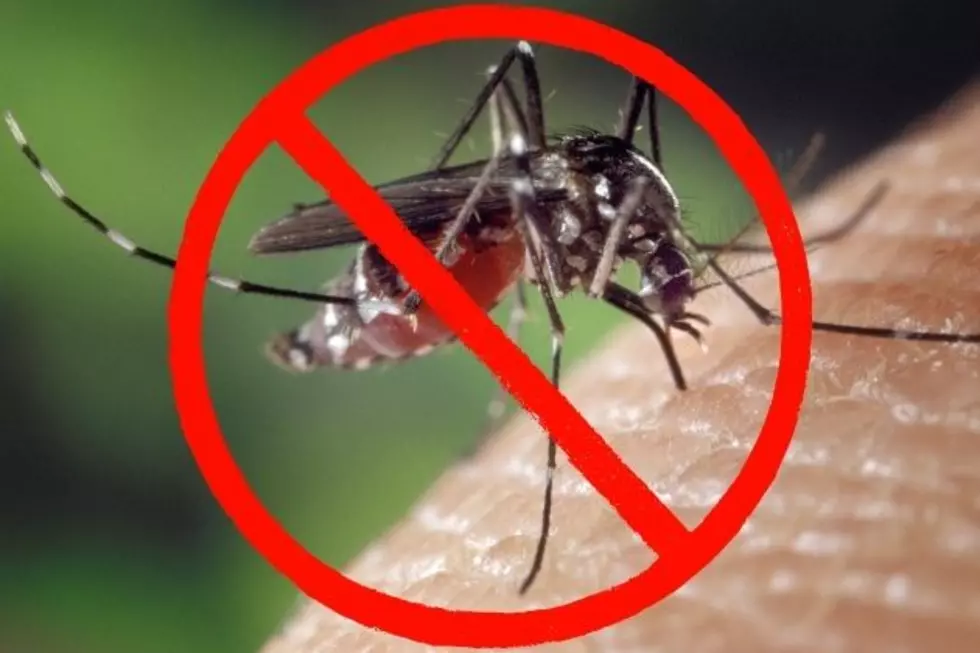
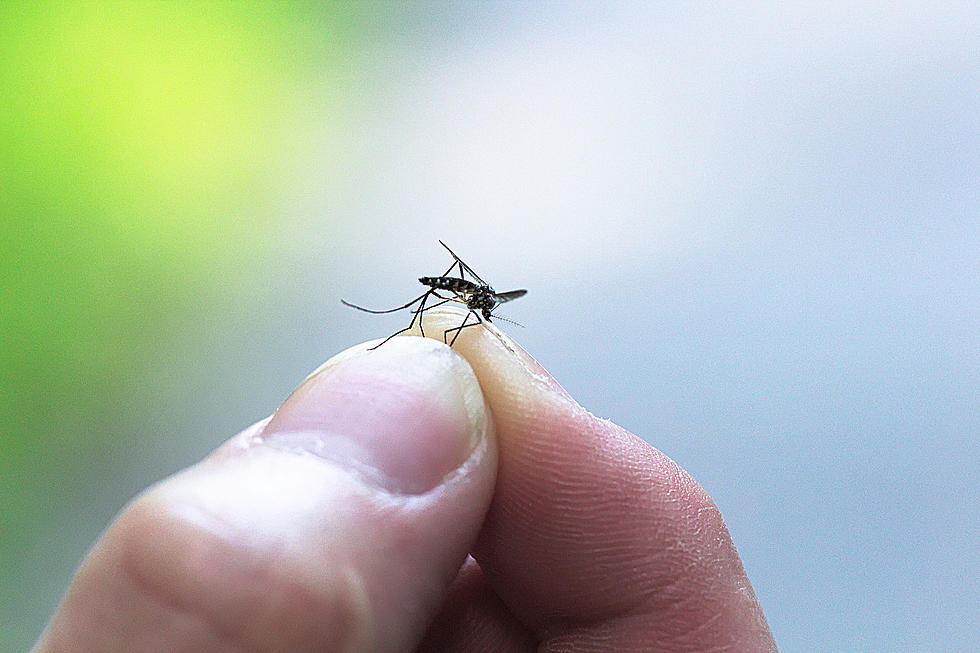
The southeast Wyoming weather forecast may still be predicting snow, but the City of Laramie Mosquito Control Team is getting ready for it's annual battle with the bloodsucking insects.
That's according to a post on the City of Laramie Facebook page. According to the post, team members have already started counting mosquito larvae. Counting the larvae through this month will help the team get an idea of what to expect this summer.
According to the post, "Mosquito count numbers are fluid, and spraying for them may occur sooner or later depending on how the counts come back. However, the first aerial spray is slated for the first week in June."
Mosquitoes in the Laramie area were identified with West Nile Virus in 2025.
While most people infected with the West Nile Virus don't get sick, the federal Centers for Disease Control says "about 1 in 5 people who are infected develop a fever and other symptoms. About 1 out of 150 infected people develop a serious, sometimes fatal, illness."
How To Get More Infomrat
The Tate Geological Museum Casper Wyoming
Gallery Credit: Glenn Woods
More From KGAB