Indian Relay Championship Is Moving To A New Wyoming Home
I'll be honest: there are sporting events I don't know much about, but when I discover them, I do my best to learn as much as I can. One of those sports is Indian Relays, but in the last couple of weeks I've learned quite a bit about it. I'm not an expert, but I'm better off now than I was a month ago. I knew the sport was popular, but I never had a chance to see the skill, athleticism, courage, and excitement that draws people in from all over to watch.
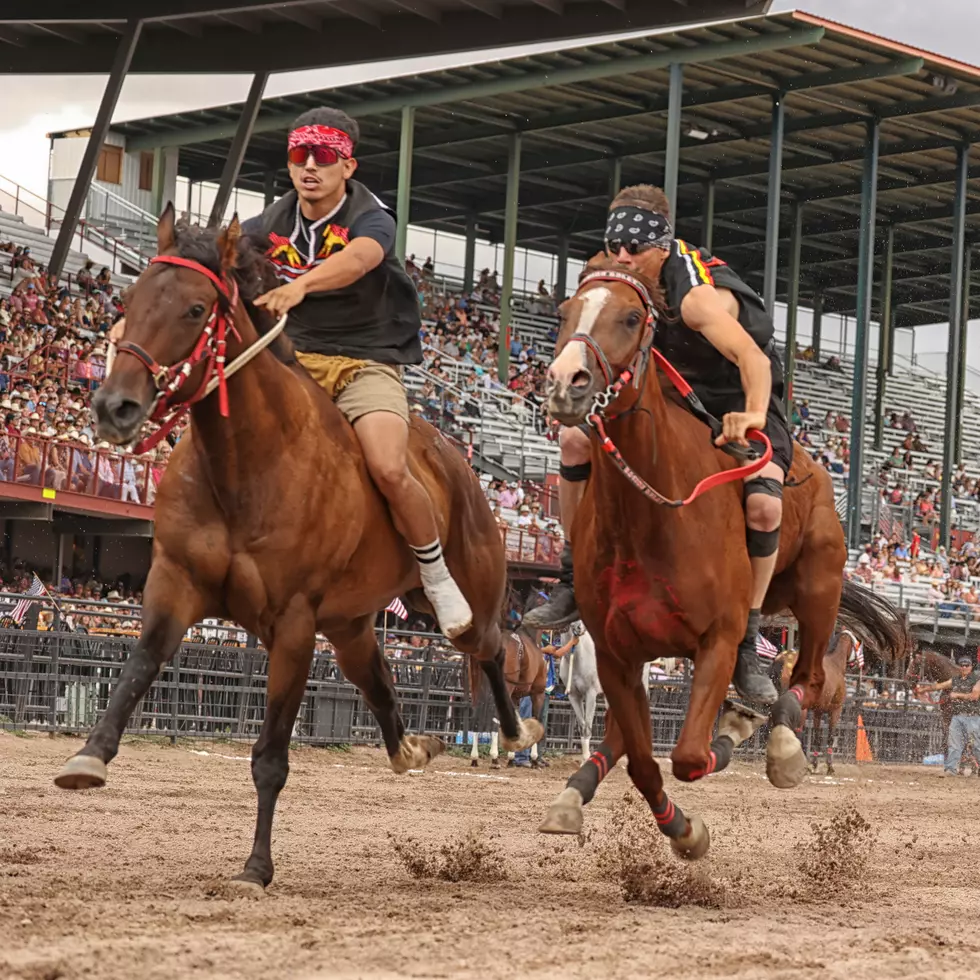
Multiple theories exist about when, where, and how relays began, but most agree the sport has been around for centuries. It likely originated in real-life scenarios, when tribal members were in battle or on big hunts and needed to switch to a fresh horse to continue their mission. Over time, tribes adopted routine as entertainment during celebrations and gatherings, making it one of the world's first extreme sports.
The definition of extreme sports according to Britannica is:
Sporting events or pursuits characterized by high speeds and high risk. Typically, extreme sports operate outside traditional mainstream sports and are celebrated for their adrenaline-pumping thrills.
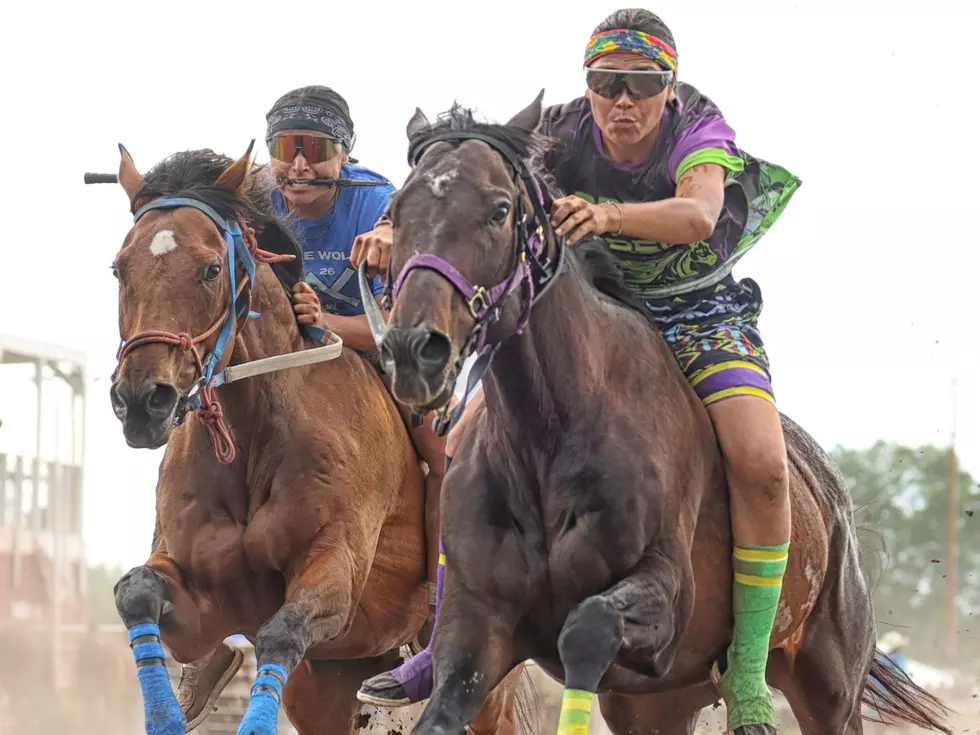
Indian Relays fit that definition perfectly and are a major spectator sport, with multiple events hosted by multiple organizations that celebrate heritage, horsemanship, and pride for teams and their communities across the Western United States and Canada.
Wyoming is no stranger to Indian Relay Races. There are events held all summer in a number of Wyoming towns. Including Casper, where the MHA Indian Relay Races – Battle for the Rockies September 19-21, and five of the last 10 Horse Nations Indian Relay Council's 'Championship of Champions' have been held.
These events draw huge crowds of competitors, fans, and horses, and as the sport continues to grow, space becomes a concern, and that is one of the reasons the Championship is moving to Cheyenne
The 2026 Horse Nations Indian Relay 'Championship of Champions' is going to be held at Cheyenne Frontier Days Park September 25th - 27th for the first time. Board member Jamie Howard speaks highly of Casper and explains why the Horse Nations Indian Relay Council chose the new venue.
The Casper community is outstanding. We just had an opportunity for a great chance to take a couple steps closer to the front ranges of Colorado to introduce Indian Relay to those folks.
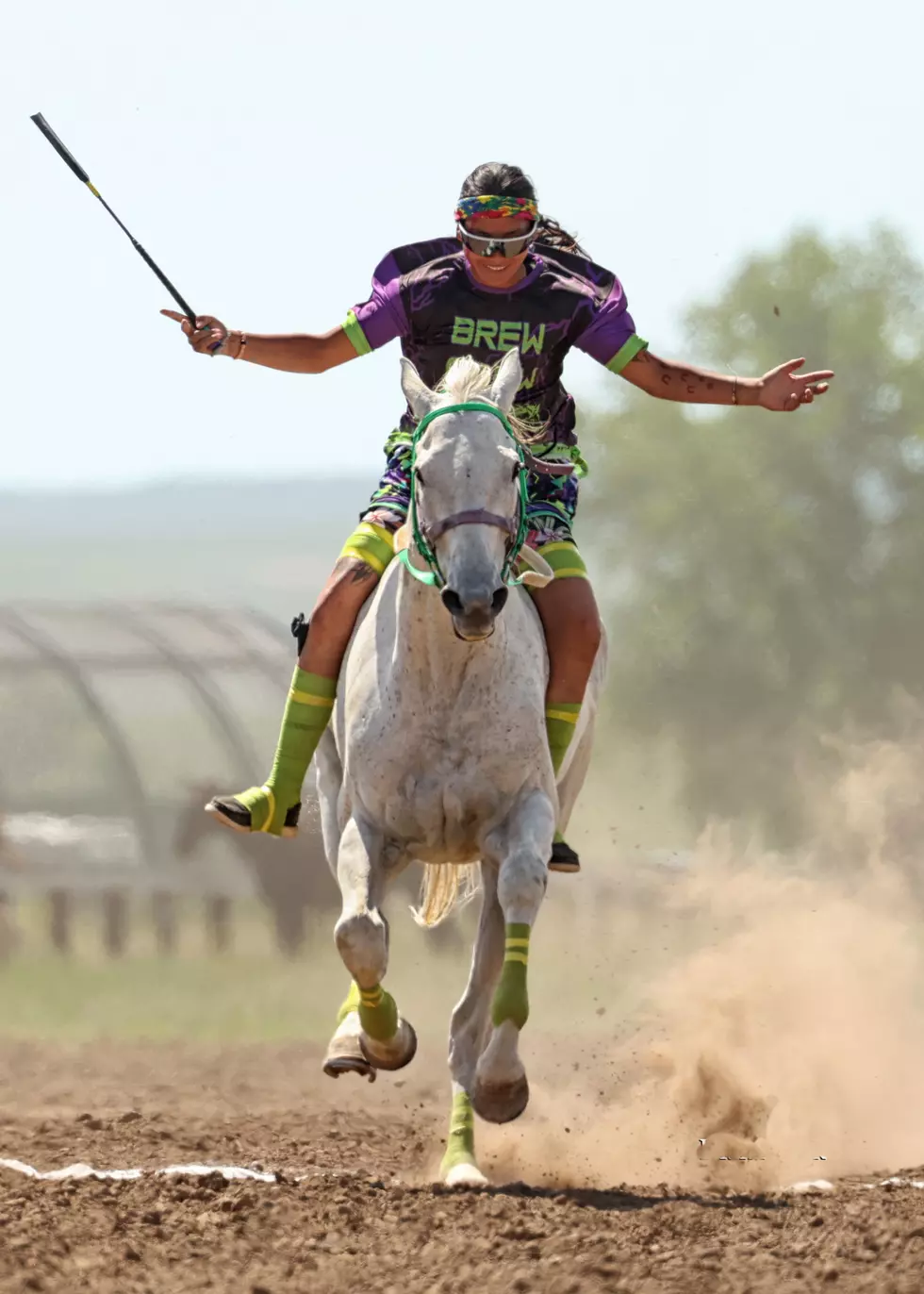
If you've never been to one of the relay races, there are men's, women's, juniors, and kids divisions, which all use the same concept, just changed up a little for the younger groups, but here's how they work.
The relay pits multiple teams against each other, and each team consists of four positions. Rider, horses, mugger, and holder. The rider rides the horse bareback, with no safety equipment, around the track. After the lap, the rider jumps off at full speed and gets on the next horse the holder has ready, while the mugger stops the horse that just ran. To win, it takes a combination of fast and well-trained horses, strong and fast team members, smooth and flawless transitions, well-planned strategy, and a strong "can-do" attitude to leave the track as the Champion of Champions.
It's like combining the Kentucky Derby with roller derby, sprinkling in a NASCAR pit stop every lap, and topping it off with an extreme fitness challenge. It's definitely one of those "You pay for the whole seat, but only use the edge" sports.
The teams work hard crafting their skills to compete at the highest levels, and you have a chance to see them put those skills to use.
Tickets are available now for the Horse Nations Council's Championship of Champions event, September 25-27 in Cheyenne.
I had a chance to chat with Horse Nation Council Board Member and Horse Trainer Jamie Howard about the upcoming event; check it out below.
Horse Nations Indian Relay Race
Gallery Credit: Diana Volk Photography
Wyoming's High Jumping Rodeo Horses
Gallery Credit: Glenn Woods


