
Wyoming Department Of Environmental Quality Issues Cyanobacteria Warning
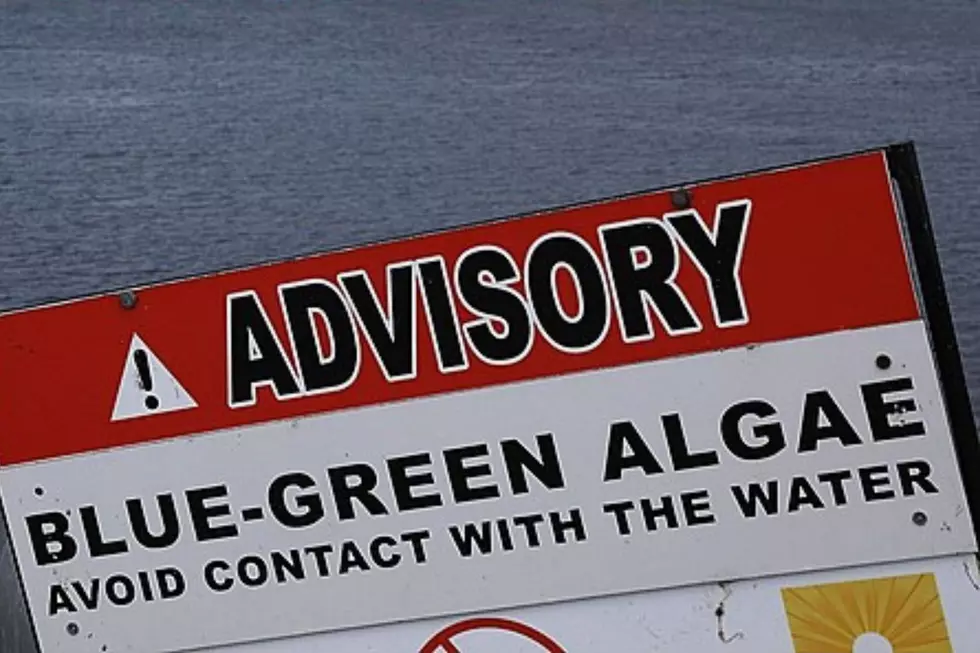
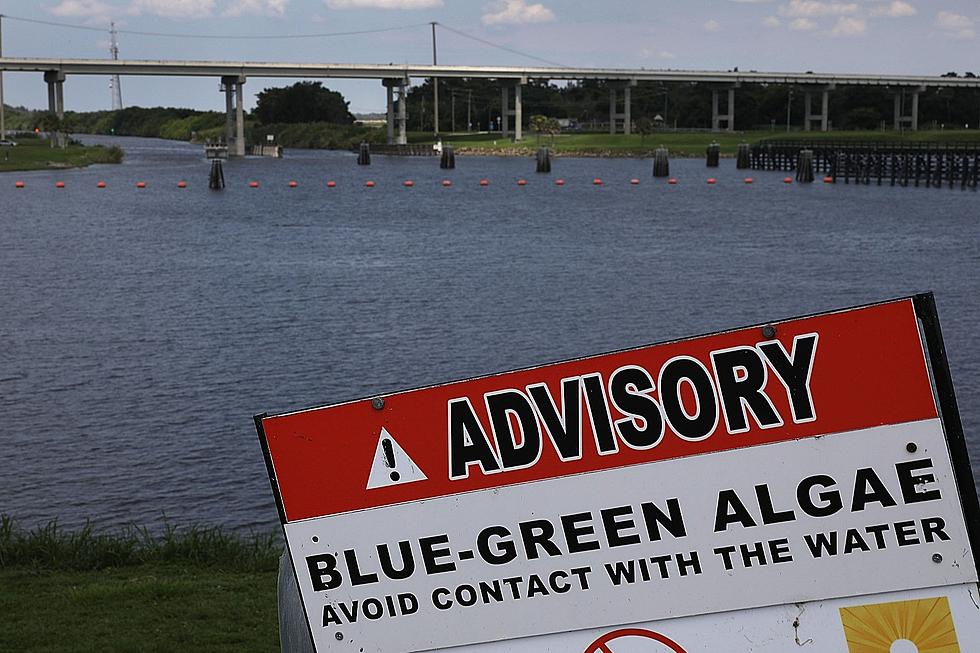
The Wyoming Department of Environmental Quality is warning people to stay away from harmful cyanobacteria blooms.
The blooms, also known as blue-green algae, are harmful to people and pets. In addition to avoid the blooms, Wyoming residents are being asked to report the blooms to the DEQ and the Wyoming Department of Health.
What Is Cyanobacteria?
According to a release:
''Cyanobacteria, also called blue-green algae, can form harmful blooms (HCBs) that produce cyanotoxins and other irritants, posing risks to human and animal health. HCBs usually appear in mid-to-late summer and can occur in streams, rivers, lakes, and reservoirs. HCBs can vary in appearance – they may be green, tan, brown, or blue-green, and can float in or on the water. They often look like spilled paint, clumps, grass clippings, or scum. HCBs may stick to underwater surfaces like rocks, plants, or debris, appearing as films or mats that are often chunky or slimy, which could detach and float to the surface or collect along the shoreline.'
The blooms have been common in southeast Wyoming waterways in past years, including outbreaks at Curt Gowdy State Park and at Sloan's Lake in Cheyenne. Blue-green algae blooms typically occur during warm summer weather. That seems to be arriving in Wyoming. with temperatures forecast well into the 80s in many areas this week.
People are being urged to follow some precautions in areas where the blooms may be present, according to the release:
- Avoid contact with water in and around the bloom, especially in areas where cyanobacteria are dense.
- Do not swallow water from the bloom. Boiling, filtration, or other treatments will not remove toxins.
- Rinse fish with clean water and eat only the fillet portion.
- Avoid water spray from the bloom.
- Do not allow pets or livestock to drink water near the bloom, eat bloom material, or lick fur after contact.
- If people, pets, or livestock come into contact with a bloom, rinse off with clean water as soon as possible.
People should seek medical attention for cases of human contact, and a veterinarian in cases of pets and livestock.
You can learn more here:
More From KGAB